Best Lawn Care Practices for the West Texas Climate
If your lawn looks healthy for a short time and then suddenly turns brown, thin, or full of weeds, you are not doing something “wrong.” You are likely following lawn care advice that does not work in West Texas.
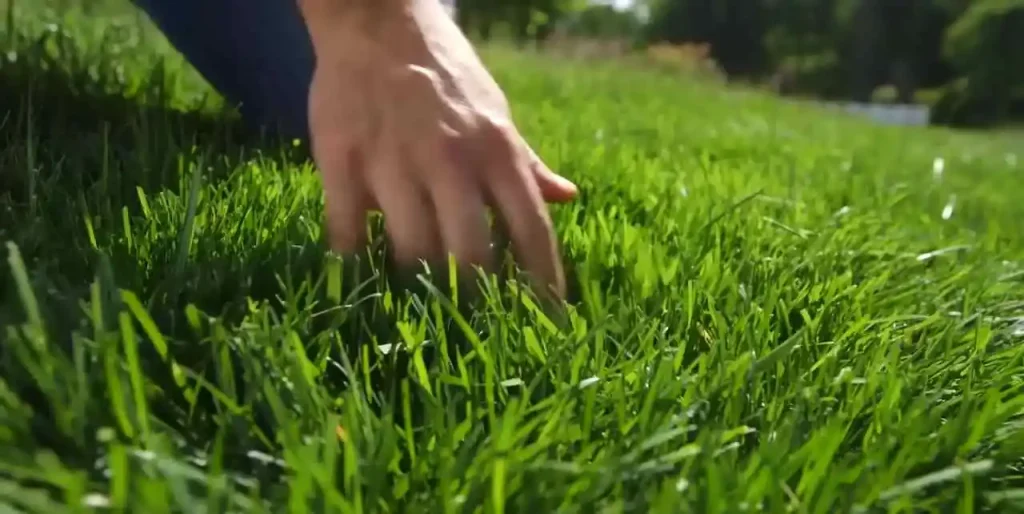
Heat, dry wind, low rainfall, and hard soil quietly damage lawns from the roots up. One bad season of mowing, watering, or fertilizing can weaken grass so badly that recovery becomes slow and expensive.
This guide explains practical lawn care practices that actually work in West Texas, especially for homeowners in Lubbock, Shallowater, Wolfforth, and Idalou.
The focus here is simple: strong roots, healthy soil, and correct timing—not quick fixes.
Understand the West Texas Lawn Climate
Before changing how you mow or water, you need to understand what makes West Texas lawns different. Most lawn problems here start below the surface.
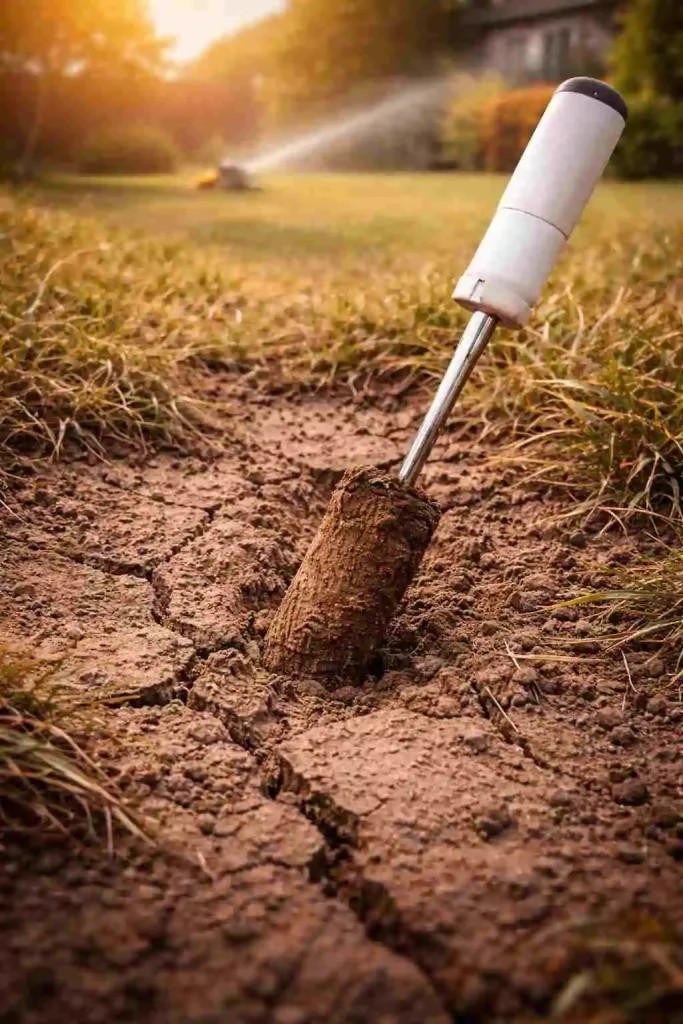
West Texas summers bring extreme heat that dries the soil fast and overheats the grass roots. Strong winds increase evaporation and stress grass blades even after watering. Rainfall stays low and unpredictable, so lawns cannot rely on nature to recover.
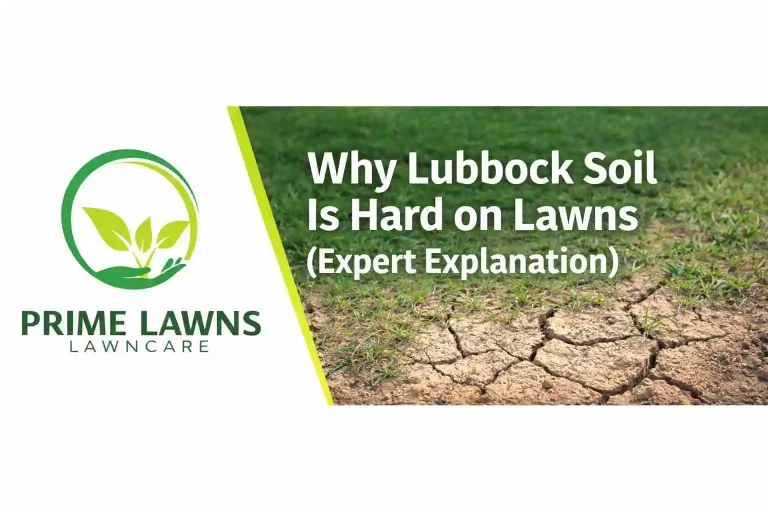
On top of that, clay-heavy soil compacts easily, blocking air, water, and nutrients from reaching roots.Because of these conditions, lawns fail from root stress, not lack of effort. Any lawn care plan that ignores soil and root health will fail here.
Choose Grass That Can Survive West Texas Heat
Grass selection plays a major role in long-term lawn success. Using the wrong grass guarantees ongoing problems no matter how much you water or mow.
Best grass options for West Texas
- Bermudagrass performs best in hot, dry climates. It tolerates heat, sun, and foot traffic and recovers quickly when maintained correctly.
- Buffalograss uses less water and works well for low-maintenance lawns, but it needs full sun and proper spacing.
- Zoysia grass provides thick coverage and effectively blocks weeds, but it requires proper mowing height and fertilization to avoid heat stress.
Cool-season grasses struggle in West Texas and usually decline once summer heat arrives, even with heavy watering.
Mow to Protect Roots, Not Just Appearance
Mowing affects lawn health more than most homeowners realize. Cutting grass too short exposes the soil to heat and weakens the root system, especially in West Texas conditions.
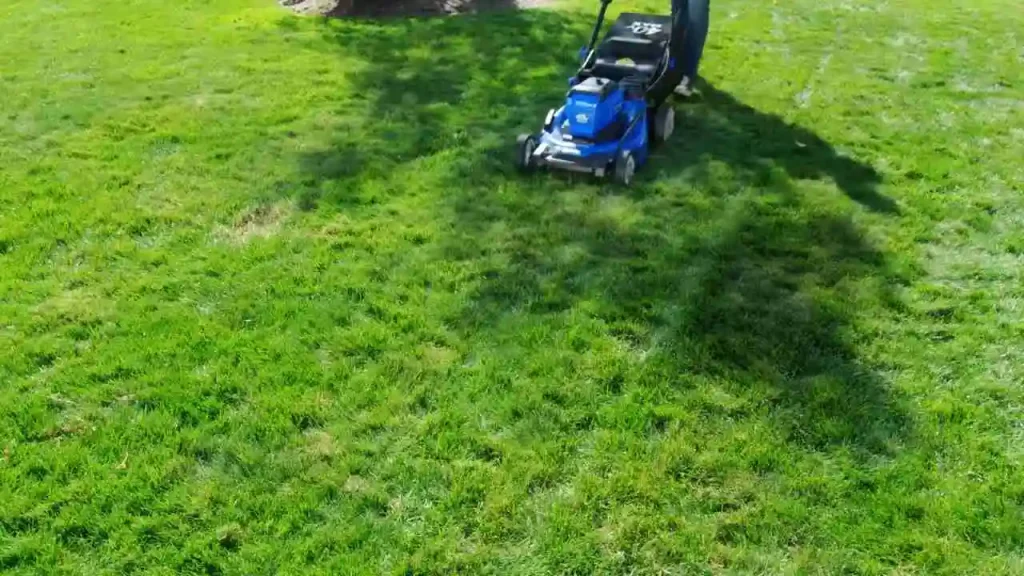
Most lawns in this region should stay between 2.5 and 3 inches during the growing season. Taller grass shades the soil, reduces moisture loss, and keeps roots cooler. Short grass dries out quickly and creates open space where weeds can take hold.
Avoid cutting too much grass in one visit. Removing a large portion at once stresses the lawn and slows recovery, making the grass more vulnerable to heat and damage. Always mow with sharp blades, because dull blades tear grass rather than cut it cleanly, leading to faster moisture loss and a higher risk of disease.
Water Deeply Instead of Watering Often
Watering mistakes are one of the biggest reasons lawns fail in West Texas.
Daily light watering keeps roots shallow. Shallow roots dry out quickly during heat waves and wind, even when watering seems frequent. Deep watering builds stronger lawns.
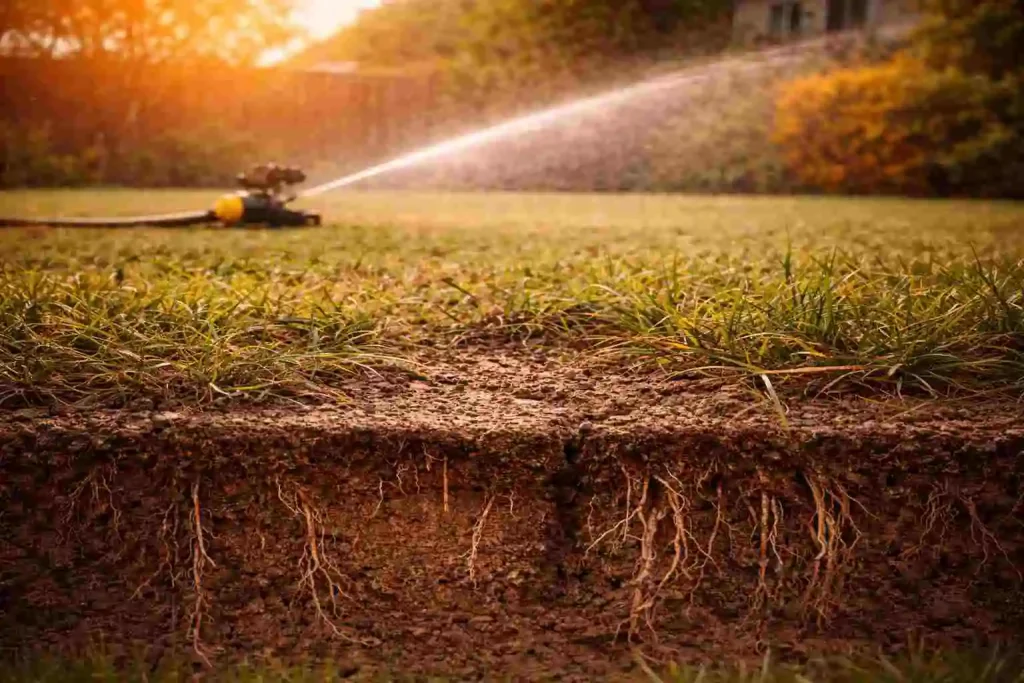
Water deeply once or twice per week, allowing moisture to soak into the soil. This encourages roots to grow downward, where moisture lasts longer. The best time to water is early morning, usually between 5 AM and 9 AM, when evaporation stays low and grass can dry before evening.
Fix Hard Soil With Lawn Aeration
Even perfect watering and mowing will not work if soil stays compacted. This is a major issue in West Texas.
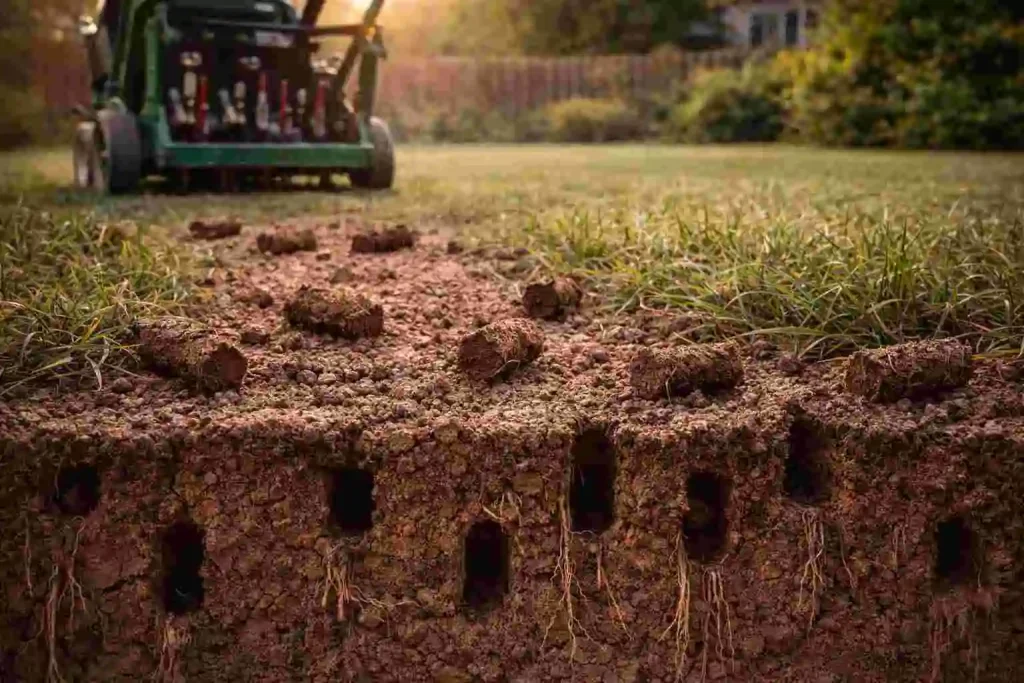
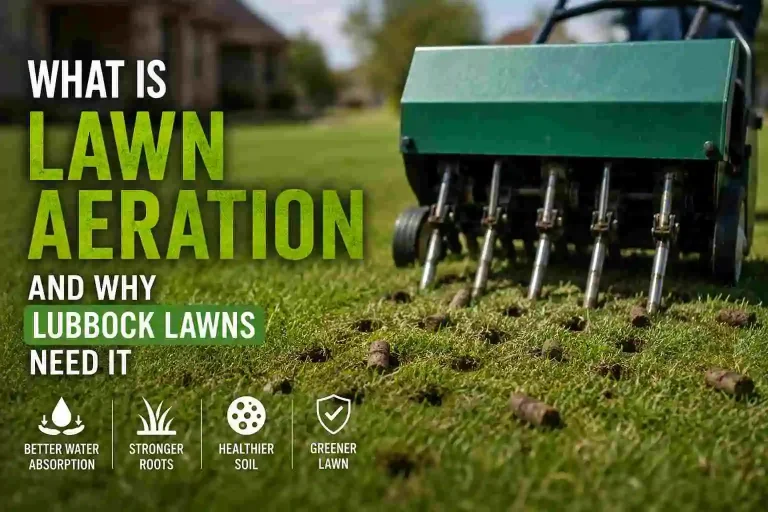
Compacted clay soil blocks oxygen, water, and nutrients from reaching the grass roots. Lawns become thin, weak, and prone to weeds. Aeration solves this problem by opening the soil and improving root access.
Most West Texas lawns benefit from aeration once per year, usually in late spring or early summer, when warm-season grasses are actively growing and recover more quickly.
Fertilize With Timing and Balance
Fertilizer helps lawns only when applied correctly. Random fertilizing often causes more damage than benefit.
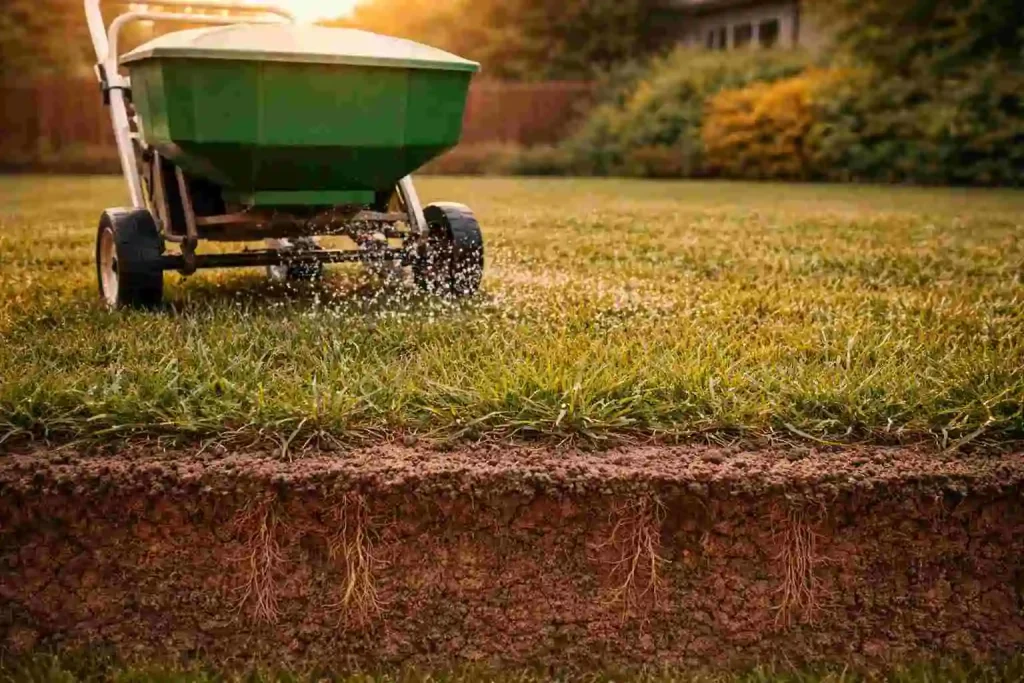
Too much nitrogen during the summer heat burns grass and feeds weeds. Proper fertilization strengthens roots, improves color, and helps lawns recover from stress—but only when matched to grass type and season.
Fertilizer cannot fix poor mowing or watering habits. It works best as part of a complete lawn care plan.
Control Weeds Before They Take Over
Weeds thrive in weak lawns and spread quickly in West Texas heat. Many weeds tolerate drought better than turfgrass, giving them an advantage when lawns thin out.
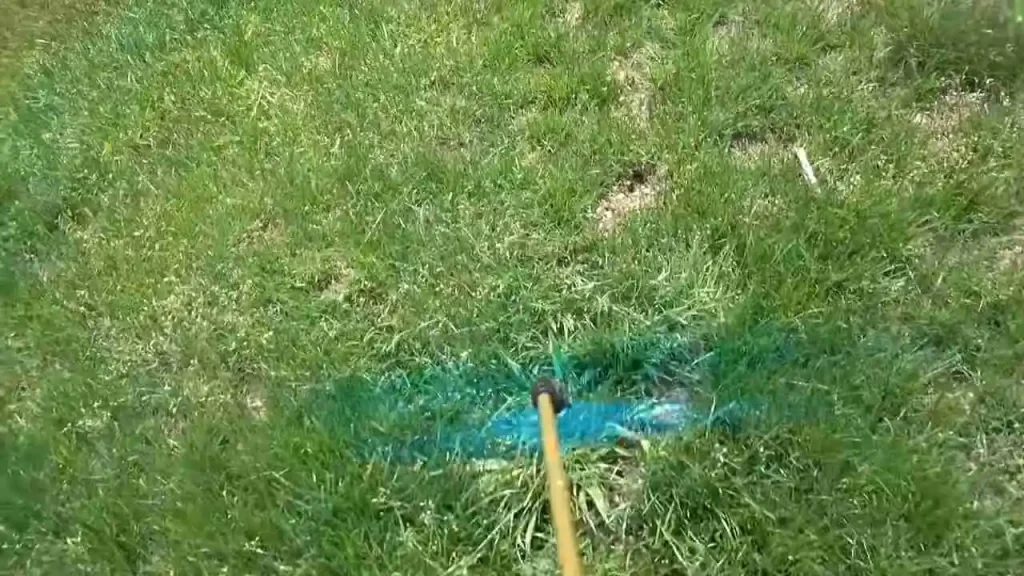
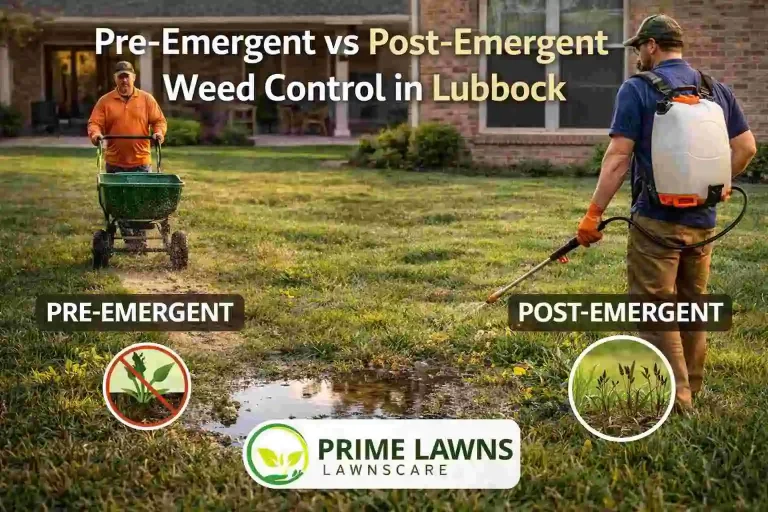
Pre-emergent weed control prevents weeds from sprouting and is one of the most effective tools for long-term control. Post-emergent treatments target active weeds but must be applied at the right time to avoid lawn damage.
The healthiest lawns rely less on chemicals because thick grass naturally crowds out weeds.
Keep Irrigation Systems Working Properly
Irrigation problems quietly damage lawns and waste water.
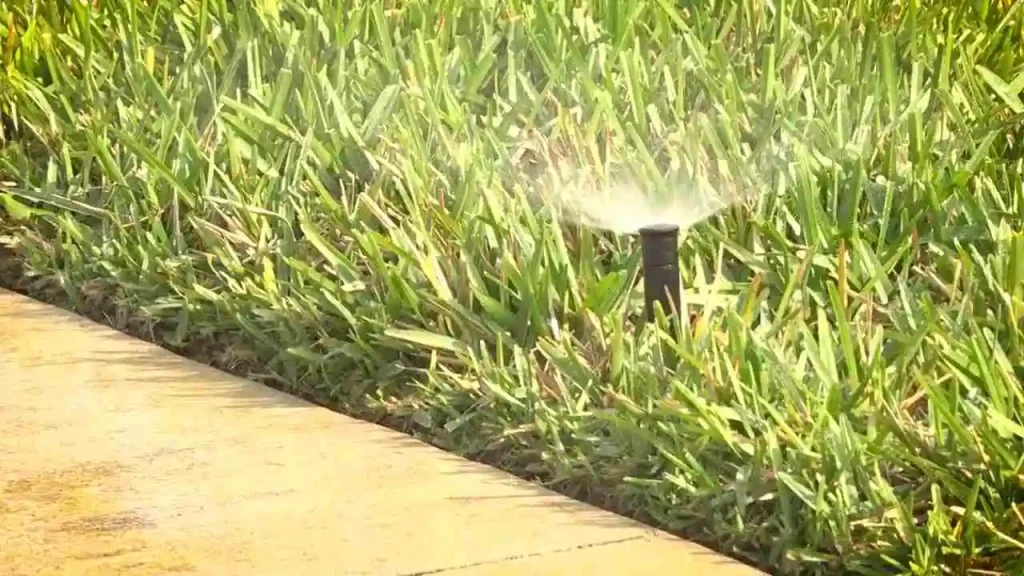
Broken sprinkler heads, leaks, and uneven coverage create dry spots and soggy areas. Both conditions weaken root systems and invite disease. Proper adjustments ensure even water distribution and support uniform lawn growth without increasing water bills.
Regular sprinkler checks are especially important during West Texas summer heat.
Use Mulch to Protect Soil and Plants
Mulch plays an important role in West Texas landscapes. It reduces evaporation, blocks weeds, and protects soil from heat and wind.
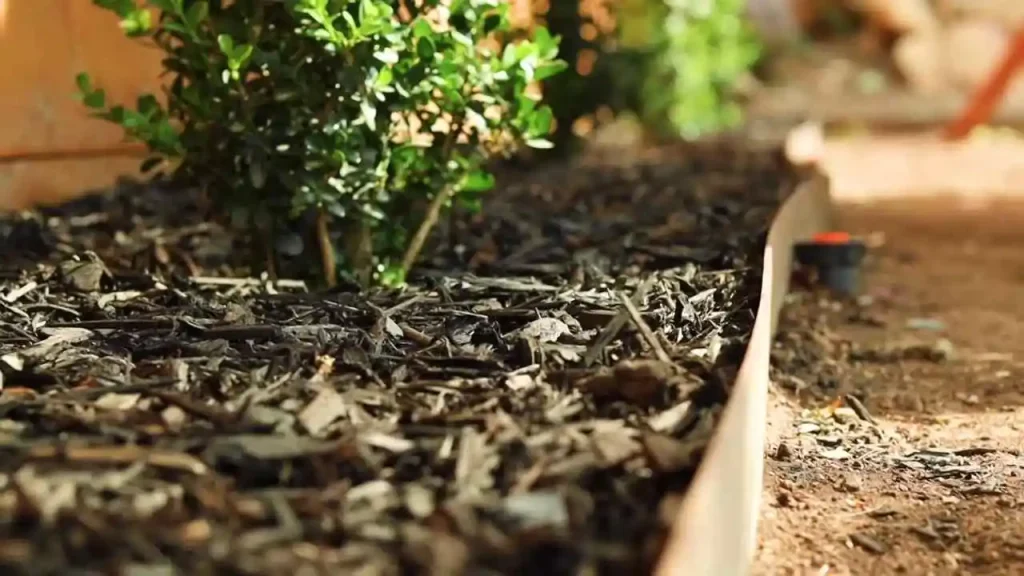
As mulch breaks down, it improves soil structure and nutrient content. This benefits trees, shrubs, and nearby grass by keeping moisture in the ground longer.
Trim Trees and Shrubs to Support Lawn Health
Overgrown trees and shrubs compete with grass for water and nutrients. They also block sunlight and restrict airflow.
Proper trimming reduces competition, improves light exposure, and lowers disease risk. Trimming should follow plant growth cycles, especially in extreme heat, to avoid stress and slow recovery.
Remove Debris Before It Causes Damage
Leaves, branches, and grass clippings trap moisture and block sunlight. This creates ideal conditions for fungal growth and pests.
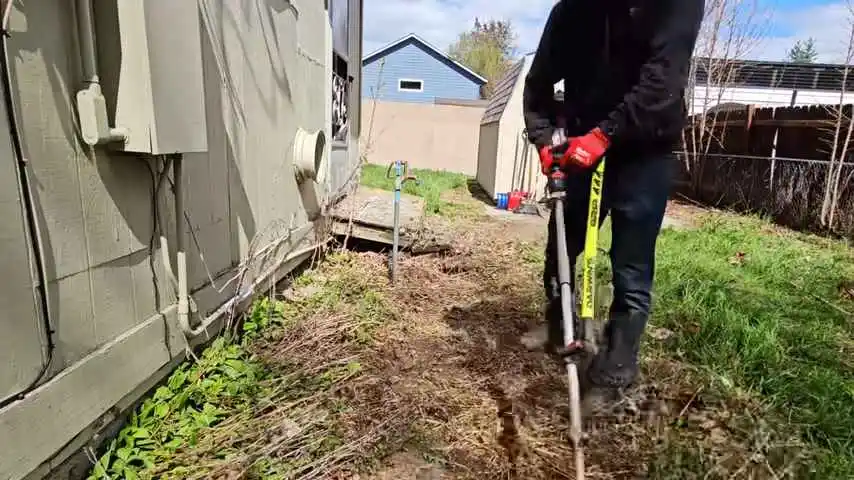
Regular lawn cleanups keep soil breathable, help grass recover faster, and improve the effectiveness of watering and fertilization.
Adjust Lawn Care Throughout the Year
West Texas lawn care must change with the seasons.
Spring Lawn Care in West Texas
Spring is the most important season for building lawn strength. This is the time to relieve soil compaction through aeration so roots can properly absorb water and nutrients. Fertilization in spring supports healthy growth without stressing the lawn.
Summer Lawn Care in Extreme West Texas Heat
Summer lawn care focuses on protection, not aggressive growth. Raising the mowing height shades the soil and reduces moisture loss during extreme heat. Deep, infrequent watering encourages deeper root systems that survive drought better.
Fall Lawn Care to Prepare for Winter
Fall is the recovery and preparation phase for West Texas lawns. Fertilization during this season strengthens roots and helps grass store energy for winter. Removing leaves and debris prevents moisture buildup and fungal problems.
Winter Lawn Care for Dormant Grass
Winter lawn care in West Texas is about preventing damage while the grass is dormant. Mowing should be limited to only when necessary to keep the grass tidy. Removing debris helps prevent mold, pests, and moisture traps.
Why Prime Lawn Care Works Better in West Texas
Generic lawn programs do not account for West Texas heat, wind, and soil conditions. Prime lawn care focuses on timing, soil health, and local experience.
This approach prevents costly mistakes, improves water efficiency, and delivers consistent long-term results—especially for lawns that struggle every summer.
Final Takeaway
Healthy lawns in West Texas are built from the roots up. Strong soil, correct timing, and proper care matter more than surface appearance.
If your lawn struggles year after year in Lubbock, Shallowater, Wolfforth, or Idalou, the problem is not effort—it’s approach.
Call today for a free lawn care estimate.
Stop guessing. Start growing a healthier lawn